What is a tachometer used for?
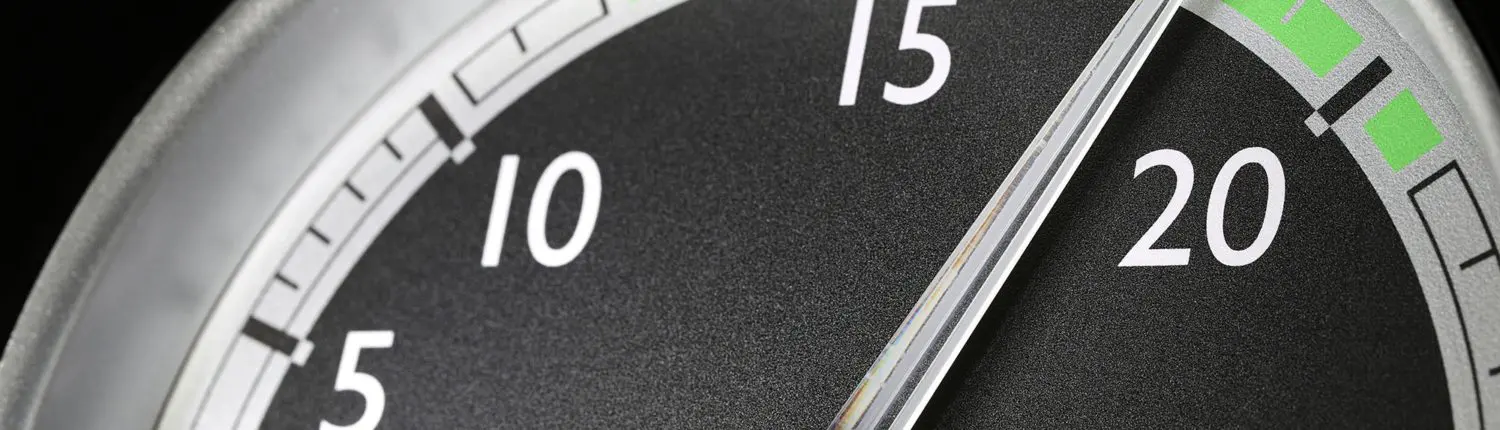
A tachometer, also known as a rev counter, tachymeter, or speedometer, measures the rotational speed of a shaft or disk within a machine. Readings are typically displayed in revolutions per minute (RPM), helping to monitor and control mechanical performance.
What are the different types of tachometers?
Tachometers come in various types, each suited to different applications. The most common types include:
- Electronic tachometers – Use sensors to measure rotational speed and display the result digitally.
- Mechanical tachometers – Operate using a physical connection to the rotating part.
- Contact tachometers – Attach directly to the rotating object for measurement.
- Non-contact tachometers – Use infrared light or laser technology to measure speed without physical contact.
Where are tachometers commonly used?
While most people associate tachometers with the automotive industry, they are widely used in various sectors, including:
- Measuring blood flow rates in the healthcare industry
- Monitoring turbine blade speeds in jet engines
- Measuring the rotational speed of motors, shafts, turbines, and fans in industrial processing
Why is tachometer calibration important?
Over time, tachometer readings can drift due to wear, environmental factors, or prolonged use. Regular calibration ensures that the instrument remains accurate, preventing incorrect speed measurements that could impact machine performance, safety, or research outcomes.
Can Calibrationhouse perform on-site tachometer calibration?
Yes, Calibrationhouse offers both on-site calibration across the UK and laboratory-based calibration at our Durham facility. This flexibility ensures that businesses can choose the most convenient service to maintain compliance and measurement accuracy.