What is a breakdown tester used for?
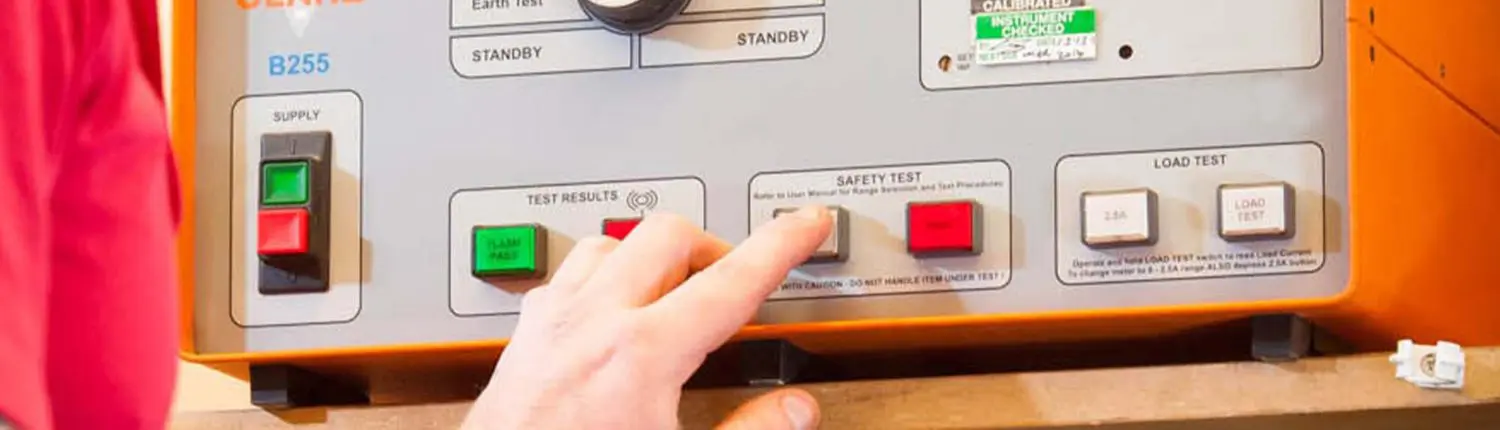
Breakdown testers, also known as hipot testers or dielectric breakdown testers, are used to evaluate whether electrical equipment or components can withstand high-voltage stress without failure. These tests help identify potential insulation breakdowns that could lead to electric shocks or safety hazards.
Why is calibration of breakdown testers important?
Regular calibration ensures that breakdown testers provide accurate high-voltage measurements, maintaining compliance with industry safety standards. Calibration verifies that the tester correctly identifies insulation faults, reducing the risk of electrical failures and hazards.
Does Calibrationhouse offer on-site calibration for breakdown testers?
Yes, Calibrationhouse provides on-site calibration services across the UK, which is particularly beneficial for manufacturers who integrate breakdown testers into their production lines. On-site calibration allows devices to be tested in-situ, minimising production downtime. For standalone testers, customers can choose between on-site calibration or sending the unit to our laboratory.
For customers in the United States, breakdown tester calibration is also available at our Tampa facility, ensuring compliance with BSI ISO9001-certified standards.
What voltage range can Calibrationhouse calibrate for breakdown testers?
Calibrationhouse offers UKAS-accredited calibration for breakdown testers up to 6kV, ensuring compliance with safety and manufacturing standards.
How often should breakdown testers be calibrated?
Calibrationhouse and Seaward Group recommend a minimum calibration interval of one year for breakdown testers. However, high-usage environments may require more frequent calibration to maintain accuracy and compliance.